

January 16-17, 2026
SNOW DATE: January 23-24, 2026
Details and Links
Revised Message from the Director
2026 brings us the 17th Writers Conference, the largest west of Richmond in Virginia, and it will be a doozy, celebrating our Appalachian heritage and the superior writing that comes from our region. The conference began in 2008 at the Jefferson Center, but Hollins invited us to its campus and Covid-19 robbed us of two years. But we have endured and even innovated with Liz Long in the director’s chair. Ms. Long will continue as an assistant director, but her workload prevents full leadership. She has been a dandy as the director. I will resume my role as director—at least temporarily.
We have had to make a last-minute changes in the lineup. Noted Appalachian ballad writer Sharyn McCrumb and educator Jan Fuller will not be able to deliver their classes, and Ms. McCrumb’s keynote address will have to wait a year.
They will be replaced in the classroom by Roanoke Times Metro Columnist Dan Casey, who will talk about telling stories, something in which he is an expert, and independent author Linda Kay Simmons will teach a class on character development. Since Ms. McCrumb was one of two keynote speakers, she will not be replaced in that role. Among our treats this year is a keynote interview of new non-fiction superstar Beth Macy by internationally renowned sports biographer Roland Lazenby.
There are more than a dozen other shining stars of this region’s literature on hand to share with you.
To fully realize the value of the conference, we suggest you take the opportunity to talk to those teaching and those learning. This is the region’s writing community, and you are part of it.

Dan Smith
RWWC Director
Conference Schedule
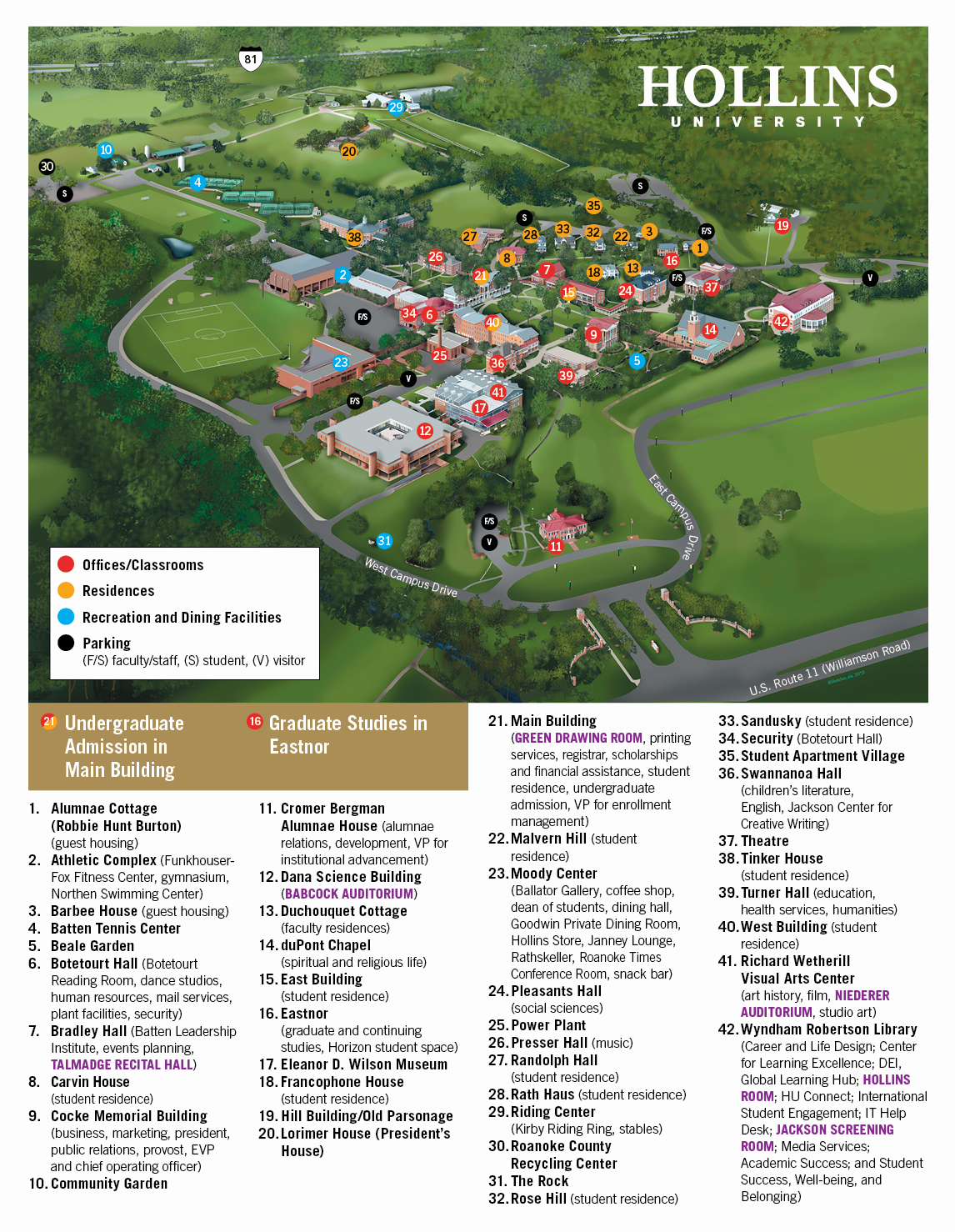
All classes will be held in the Dana Science Building
[#12 on the campus map]
-
Friday, January 16, 2026

6:30 pm
Registration, Dana Science Building lobby7 – 7:30 pm – Babcock Auditorium
Welcome Director Dan Smith; Music for writers, Greg Trafidlo.7:40 – 9:15 pm – Babcock Auditorium
Keynote: A conversation between noted authors Beth Macy and Roland Lazenby; Dan Smith introduction. -
Saturday, January 17, 2026
8:30 am
Registration for those who did not register on Friday. Dana lobby9 – 10 am
Auditorium: Lee Hunsaker, Truth-ish: Telling stories Without Burning It All Down
Room 102: Kate Goggin, Nine Things I Learned after Publishing My First Book
Room 142: Amanda Cockrell, Sense of Place and Time, Creating a Fully Immersive World in Historical Fiction.10:15 – 11:15 am
Auditorium: Dan Casey, Telling Stories
Room 102: Linda Kay Simmons, Writing Unforgettable Characters: Where Do They Come From?
Room 142: Liz Long, Your Mom Is Not Your Editor11:30 – 12:30 pm
Auditorium: Nelson Harris, Beyond Facts, Crafting Engaging Non-Fiction
Room 102: Johnny Camacho, Writing Humor 101. Bring your laugh-o-meter
Room 142: Debbie Seagle, Writing the Book Was the Easy Part12:30 – 1:30 pm
LUNCH – Moody Center Dining Hall1:30 – 2:30 pm
Auditorium: Judy Jenks, Of Writing Appalachia
Room 102: Lindsey Hull, All Would Be Lost Without You (so write it down)
Room 142: Todd Marcum, The Opportunities, Pitfalls and Ethics of AI2:45 – 3:45 pm
Auditorium: Diane Fanning, The Element of Surprise, the Lifeblood for Writers
Room 102: Josh Urban, Letters from the Ridge: Writing to a Place
Room 142: Ran Henry, Choosing Shape, Structure and Scenes to Write Your Narrative Nonfiction Book, Biography or Memoir
Revised Presentations
- Keynote: A Conversation with Beth Macy, Roland Lazenby Interviewing: The best-selling author chats with a best-selling author about things writing, moderated by Dan Smith.
- A little night music for our writers (Greg Trafidlo): One of the nation’s best-known folk musicians has a special song for us.
- All Would be Lost Without You, So Write it Down (Lindsey Hull): Learn the importance of writing about your own traditions and how to decide which ones you should absolutely make time to preserve.
- Beyond the Facts: Crafting Engaging Nonfiction (Nelson Harris): A presentation on strategies for nonfiction writers to discover, research, and create narratives that can entertain, enlighten, and influence the reader.
- Choosing the Shape, Structure and Scenes to Write Your Narrative Nonfiction Book, Biography or Memoir(Ran Henry): Consider the universal power of Joseph Campbell’s Hero’s Journey — essentially a story of leaving home, facing death and coming back transformed, mirroring the stories of our lives. The stages of taking on a fearsome challenge, making allies and enemies and facing death shape every story ever told in every time and culture, Joseph Campbell’s pathbreaking work shows — giving nonfiction writers a lived-in story arc to tell true stories only you can tell.
- From Pen to Print (Debbie Seagle): Inside information from a best-selling author, who has also written a major award for the best new screenplay, based on her first book, “Coffee Cups & Wine Glasses”.
- Letters From the Ridge: Writing to a Place (Josh Urban): Make your readers fall in love with the mountains. Ideas on steeping your work in the land and writing to a place in this interactive program. Add local color, and the broader themes of Appalachia (or anywhere you love).
- Nine Lessons I Learned after Publishing My First Book (Kate Goggin): Learn tips and tricks about the writing and editing process, working with a small publisher, and promoting the final product. Attendees will receive a list of free resources, and there will be time for Q&A.
- Of Writing Appalachia (Judy Jenks): Explore the culture of Appalachian writing; appreciate the unique voices that emerge from a landscape as deep and complex as the mountains that bear witness to our stories.
- Sense of place and time: Creating a fully immersive world in historical fiction (Amanda Cockrell): It’s tricky to create a fully realized world, whether it’s a fantastical land, an ancient era, or the endless variations of our modern one, but a sense of place is the heart of a good story. This session will focus on developing your fictional setting as a way to enrich your story and anchor your reader in its landscape.
- The Element of Suspense: The Lifeblood for Writers (Diane Fanning): Recognizing and employing suspense in all forms of writing both fiction and non-fiction. It is what keeps the pages turning and the lines scrolling.
- The Opportunities, Pitfalls, and Ethics of AI (Todd Marcum): AI is going to change your writing life, so what are the legal and ethical considerations of using it. A few basic best practices on training to use it and the pitfalls of most AI platforms.
- Truth-ish (Lee Hunsaker): The balancing act of telling true stories without burning it all down. We all wrestle with how to write and tell our stories honestly – especially when the truth might hurt, reveal too much, or get messy. This class gives you tools to use poetic license with purpose, balance emotional truth and factual accuracy and other skills.
- Writing Humor 101 (Johnny Camacho): Johnny Camacho insists humor is a powerful way to connect with readers, but many writers find it difficult to confidently deliver and land punchlines. This class explores the nature of humor, the anatomy of a funny scene, and ways that every writer can begin using the funny parts of their voice.
- Writing the Book Was the Easy Part (Debbie Seagle): Inside information from a best-selling author, who has also written a major award for the best new screenplay, based on her first book, “Coffee Cups & Wine Glasses”.
- Writing Unforgettable Characters: Where Do They Come From? (Linda Kay Simmons): Memorable Characters are not an accident. They come from Imagination, experience, and delving into deeper truth.
- Your Mom is Not Your Editor (Liz Long): A fast-paced, practical look at the self-editing process, from structure to sentence-level polish, plus why professional editors matter and what it means to truly prepare your work for submission or publication. The class will cover the difference between developmental and copy edits, how to spot common mistakes, and why meeting deadlines matters as much as good prose.
Questions?
For questions, please reach out to pampadansmith@gmail.com.